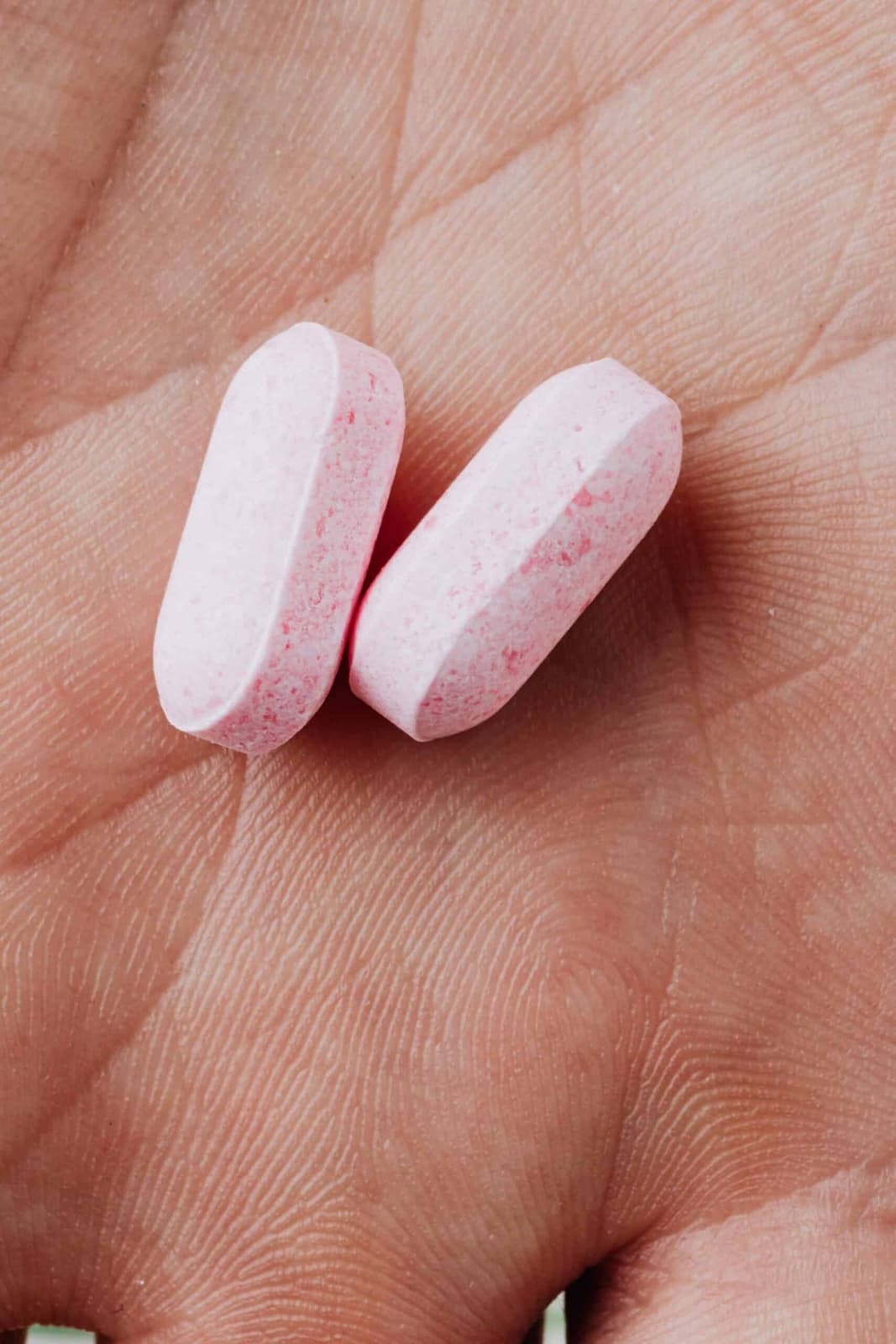
Opioids bind to brain receptors that control pain and reward, and prolonged use creates physical dependence. When the drug is stopped, the body must readjust — producing withdrawal. Common opioids include oxycodone, hydrocodone, heroin, and fentanyl, and extended use builds tolerance that deepens dependence.
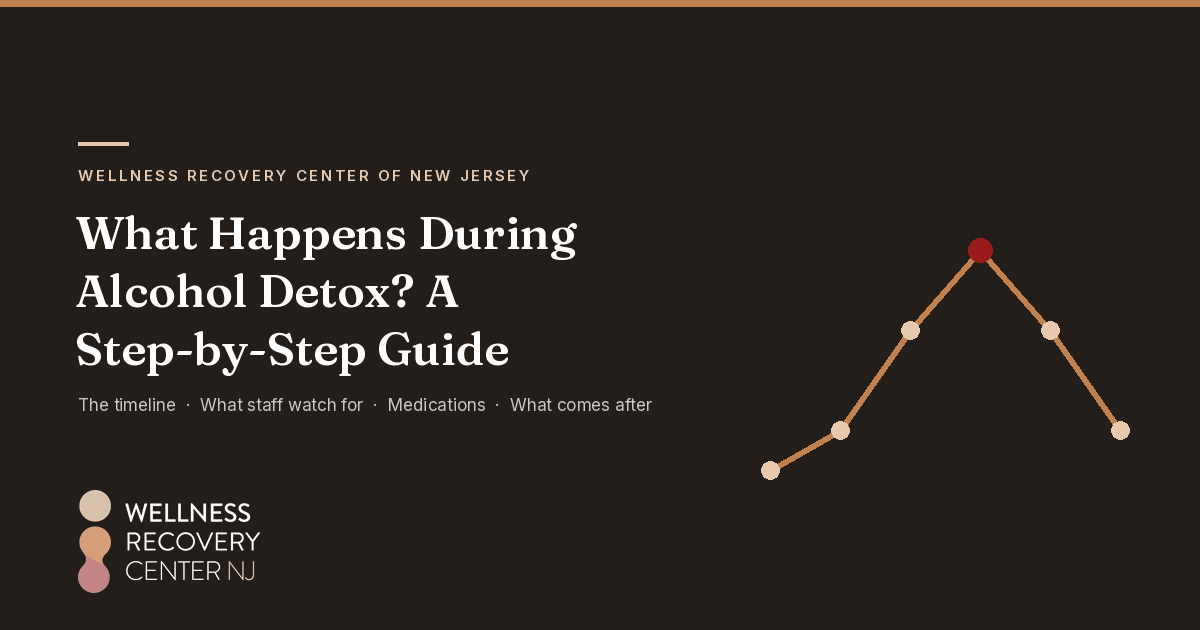
Early withdrawal (roughly 6 to 12 hours after the last dose) brings anxiety, restlessness, muscle aches, runny nose, watery eyes, sweating, and insomnia — much like a severe case of the flu — along with strong cravings.
Peak withdrawal (days 1 to 3) is the most severe stage, with nausea, vomiting, diarrhea, abdominal cramping, rapid heart rate, and powerful cravings. Although rarely fatal, dehydration from gastrointestinal symptoms can cause complications if unmanaged.
In the subacute phase (days 4 to 10), physical symptoms gradually ease but fatigue, low mood, poor sleep, and reduced appetite linger, keeping relapse risk high. Post-acute withdrawal can then stretch on for weeks to months, producing lingering anxiety, depression, and sleep disturbances — which is why ongoing support matters so much.
Even though opioid withdrawal is typically not deadly, the combination of physical misery and intense cravings makes it a major barrier to recovery. Professional treatment — often medication-assisted treatment plus individual and group therapy and dual-diagnosis care — stabilizes symptoms, reduces cravings, and builds a foundation for lasting recovery.
Ready to talk to someone?
Confidential, judgment-free, available 24/7.